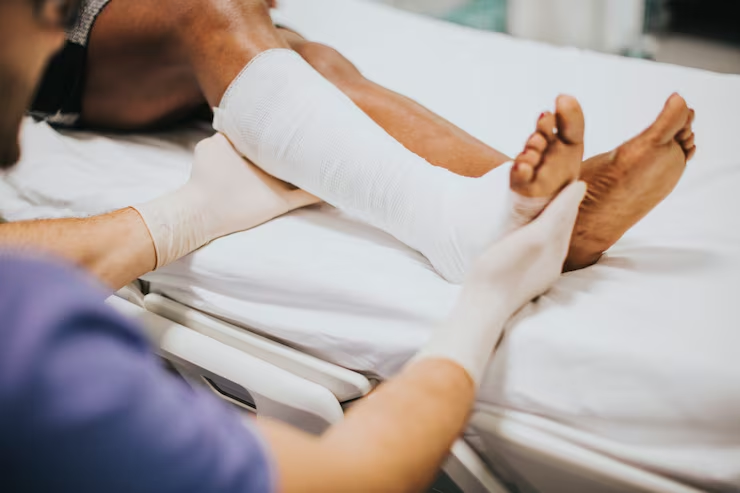
Foot and ankle issues can drastically affect daily life, from simple errands to recreational activities. For many Montclair residents, foot and ankle surgery becomes a necessary step toward regaining mobility, relieving chronic pain, and improving quality of life. However, the journey doesn’t end in the operating room. In fact, recovery after foot and ankle surgery in Montclair is just as critical as the surgery itself.
At Dr. Kamel Foot & Ankle, our specialists take a patient-centered approach to postoperative care. We understand that successful recovery isn’t just about medical treatment—it’s about empowering patients through education, support, and personalized rehabilitation plans that align with their lifestyle in Montclair.
Whether you're preparing for surgery or are currently in recovery, this guide offers expert-backed tips to ensure a smooth and successful healing process.
Understanding Foot and Ankle Surgery Recovery
The first step to healing well is understanding what recovery looks like. The recovery period varies based on the type of surgery performed, your age, overall health, and adherence to postoperative care.
Common procedures that require a structured recovery plan include:
Bunion correction
Ankle ligament repair
Achilles tendon surgery
Flatfoot reconstruction
Fracture fixation
Recovery timelines can range from 6 weeks to 6 months, and even up to a year for more complex surgeries. This makes it vital to follow your surgeon’s recommendations closely. At Dr. Kamel Foot & Ankle, each patient receives a tailored recovery plan designed to support optimal healing while getting them back to the things they love.
Tip #1: Follow Postoperative Instructions Exactly
After foot and ankle surgery Montclair residents undergo, the first 72 hours are critical. This period sets the tone for your entire recovery. Follow all instructions closely, including:
Elevation: Keep your foot elevated above heart level to reduce swelling.
Ice application: Apply ice (if recommended) to control pain and inflammation.
Wound care: Keep the surgical area clean and dry to prevent infection.
Weight-bearing restrictions: Use crutches, a walker, or a knee scooter as directed. Do not attempt to walk on your foot unless explicitly cleared.
Dr. Kamel’s team will provide you with a detailed post-op checklist to help you navigate these early days with confidence.
Tip #2: Pain Management Is Essential—but Responsible
Pain and discomfort are normal after surgery. However, properly managed pain helps speed up healing. Your surgeon may prescribe pain medication or suggest over-the-counter anti-inflammatory drugs.
At Dr. Kamel Foot & Ankle, we emphasize responsible pain management:
Use medications only as prescribed.
Avoid alcohol while taking pain medications.
Report any unexpected reactions to your doctor.
Incorporate alternative pain relief techniques like elevation, rest, and guided gentle movement.
Tip #3: Rest… But Don’t Stay Idle Too Long
Yes, rest is important—but so is circulation. Extended immobility can increase the risk of blood clots and joint stiffness. Once cleared by your surgeon, gentle movement is encouraged.
Suggested early movements include:
Toe wiggling and ankle pumps (if allowed)
Deep breathing exercises to promote blood flow
Non-weight-bearing movement like light stretching
Your care team at Dr. Kamel Foot & Ankle will guide you on when and how to safely begin activity based on your surgical procedure.
Tip #4: Physical Therapy Is Non-Negotiable
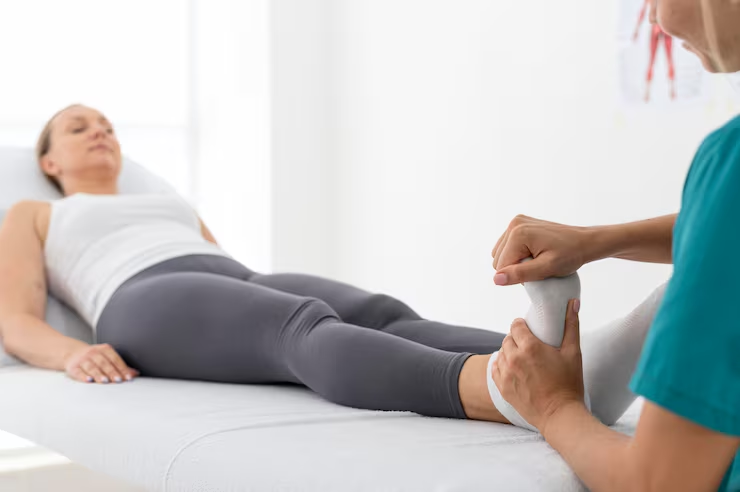
Rehabilitation is an essential part of recovery. Physical therapy helps improve range of motion, build strength, and restore proper walking patterns.
Most patients begin physical therapy 2–6 weeks post-surgery, depending on their procedure. For foot and ankle surgery at Montclair Specialists, like with Dr. Kamel, therapy is more than just exercise—it’s education, motivation, and progress tracking.
Benefits include:
Faster return to normal function
Improved muscle balance and flexibility
Reduced chance of reinjury
Personalized exercises that evolve with healing
Tip #5: Set Up a Recovery-Friendly Home
Your home should support healing—not challenge it. Before your surgery, take time to prepare your living space:
Clear walkways to avoid tripping.
Add night lights to bathrooms and hallways.
Keep essentials at waist level to avoid bending or reaching.
Use a shower chair or handrails for bathing.
For Montclair residents living in multi-level homes, consider setting up a temporary sleeping area on the first floor to limit stair use during early recovery.
Tip #6: Stay Connected With Your Surgeon
Ongoing communication is essential. Whether you're dealing with unexpected pain, slow healing, or general concerns, your provider should be your first call.
At Dr. Kamel Foot & Ankle, we encourage patients to check in regularly, either in person or via telehealth if mobility is limited. Our team prioritizes post-op monitoring to:
Track wound healing
Adjust pain management plans
Update mobility instructions
Prevent complications
This proactive approach ensures early identification of issues and quick intervention when needed.
Tip #7: Nutrition Can Make or Break Your Recovery
Your body needs fuel to heal. A nutritious diet plays a major role in tissue repair and bone health.
Focus on:
Protein (chicken, fish, eggs, tofu) to rebuild tissue
Calcium & Vitamin D (milk, leafy greens, fortified cereals) for bone strength
Anti-inflammatory foods (berries, turmeric, green tea) to aid recovery
Hydration to keep tissues supple and flush toxins
Montclair’s farmers markets are a great place to find local, fresh options that support your recovery goals.
Tip #8: Don’t Rush the Process
It’s natural to want to return to work, exercise, and daily routines as quickly as possible. But rushing recovery can lead to setbacks or even the need for revision surgery.
At Dr. Kamel Foot & Ankle, we work with patients to develop realistic recovery timelines based on their health, activity level, and goals. You’ll receive guidance on when to:
Return to work
Resume driving
Reintroduce exercise
Wear regular shoes
Participate in sports or high-impact activity
Trust the process and celebrate the small wins—each milestone matters.
Tip #9: Plan for the Long-Term
Even after you’re fully healed, ongoing care is key. Preventative steps can protect your surgical outcome and reduce the risk of recurring issues.
Dr. Kamel and his team will help you develop a long-term foot health plan that may include:
Custom orthotics
Periodic checkups
Proper footwear recommendations
Exercise modifications
Weight management for joint support
Our goal is not just to heal your current issue but to help you maintain healthy, pain-free feet for years to come.
Why Montclair Patients Choose Dr. Kamel Foot & Ankle
With decades of combined experience, the specialists at Dr. Kamel Foot & Ankle provide comprehensive, compassionate care throughout the entire surgical journey—from diagnosis to full recovery.
What sets us apart?
Board-certified surgeons with a focus on foot and ankle conditions
State-of-the-art surgical techniques, including minimally invasive options
Patient-first philosophy that prioritizes comfort, clarity, and education
Local understanding of Montclair’s active lifestyle and community needs
We’re proud to serve Montclair and surrounding areas with a personalized approach that restores function and enhances lives—one step at a time.
Final Thoughts
Recovering from foot and ankle surgery Montclair patients undergo requires commitment, patience, and expert guidance. From the first post-op day to your return to daily activities, every decision you make can impact your long-term success.
With a supportive team like Dr. Kamel Foot & Ankle by your side, you can feel confident in every stage of your healing journey. Our patient-first approach ensures you're not just recovering—you're thriving. If you need expert help with your foot or ankle condition, then book a consultation with Dr. Kamel Foot & Ankle today and take the first step toward a healthier, pain-free future.




Write a comment ...